
Rodent Control Sydney Methods That Complement Termite Prevention Efforts
Common Rodent and Termite Problems in Sydney
Properties in Sydney face two main threats: rodent infestations and destructive termite colonies. These pests can compromise the structural integrity of buildings and pose risks to human health. To effectively combat these issues, it is crucial to understand these pests and implement targeted control methods.
Rodent Species and Their Impact
Two primary rodent species associated with rodent control Sydney concerns are known to cause problems for homes and businesses across the city:
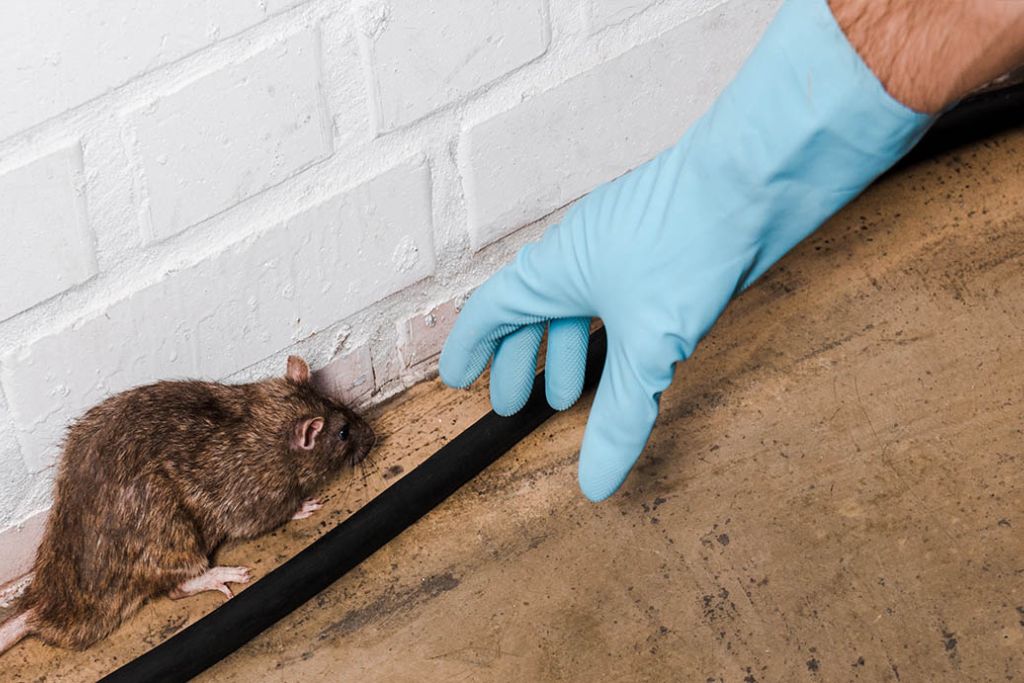
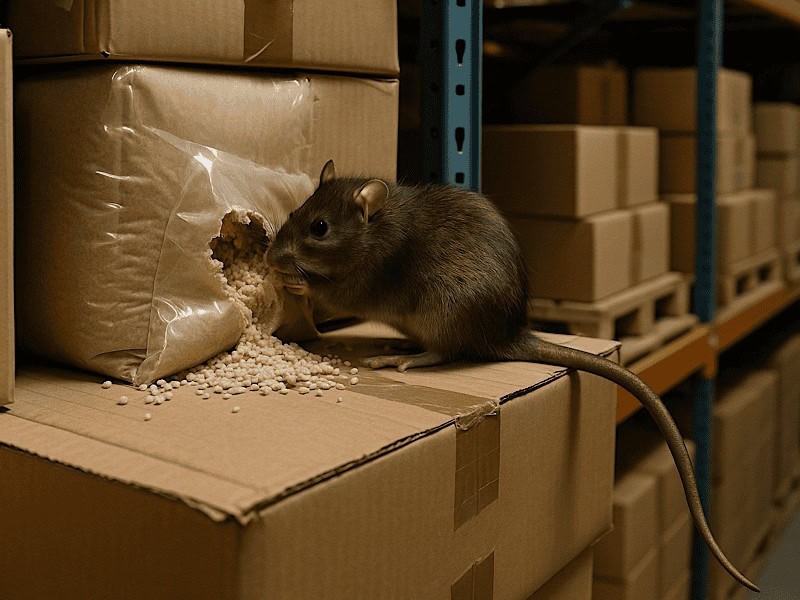
- Rats: The Norway rat and roof rat are the most common types of rats found in Sydney. They are aggressive chewers and can cause significant damage by gnawing through electrical wiring, insulation, and wooden structures. Rats have a constant need to file down their growing incisors, which means they will damage virtually any material in their path.
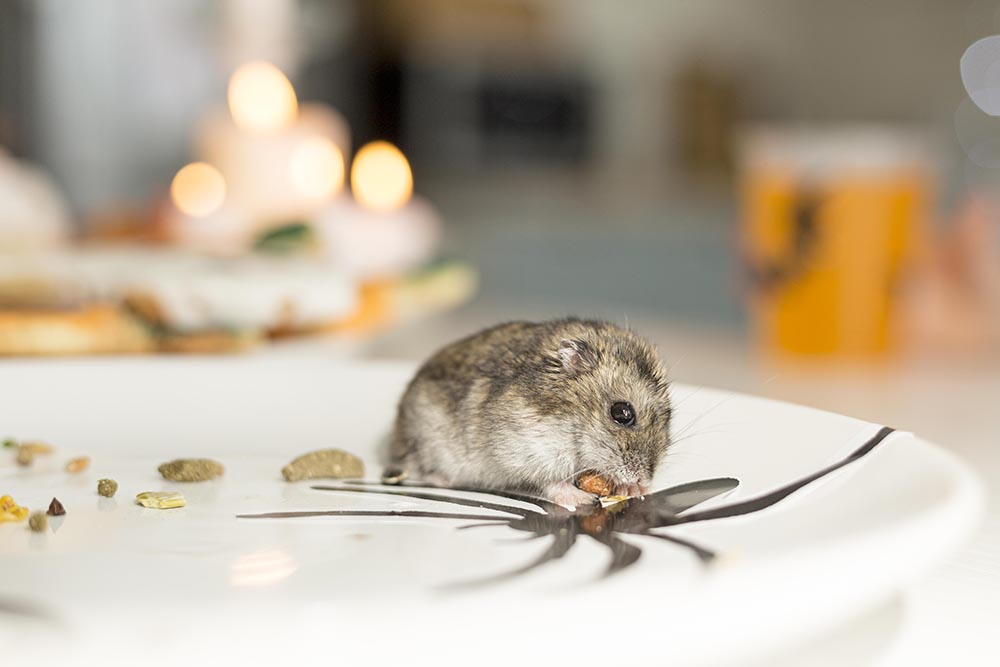
- Mice: While mice are smaller than rats, they can still cause significant property damage. Mice contaminate food supplies and build nests in wall cavities. A single mouse can produce up to 75 droppings daily, spreading pathogens throughout your property.
Both rats and mice carry serious health risks, including hantavirus, leptospirosis, and salmonellosis. Their urine and feces can contaminate surfaces, while their presence may attract other pests.
Destructive Termite Species
The most destructive termite species encountered in Sydney are subterranean termites, particularly Coptotermes species. These wood-consuming insects have several characteristics that make them highly damaging:
- They build extensive underground colonies containing millions of individuals.
- They can access properties through cracks as narrow as 1/32 of an inch.
- They feed on cellulose materials such as timber frames, paper, and cardboard.
- Their damage often goes unnoticed for months as it occurs behind walls and within structures.
Coptotermes acinaciformis, one specific type of subterranean termite, is responsible for the majority of termite damage claims in Sydney. Colonies of this species have been known to consume several kilograms of wood each week.
Combined Threat Assessment
When rodents and termites coexist in a property, their impact can be even more severe. Rodents can weaken structural barriers by gnawing on them, unintentionally creating new entry points for termites. Both pests thrive in similar conditions—areas with high moisture levels and easily accessible food sources—making it essential to implement coordinated control strategies for comprehensive protection against these threats.
How Do Structural Vulnerabilities Facilitate Both Rodent and Termite Infestations?
Structural vulnerabilities pests exploit create dual pathways for both rodents and termites to invade Sydney properties. Cracks in foundations, gaps around utility pipes, deteriorating mortar, and openings near door frames provide convenient access points for rats and mice seeking shelter while simultaneously allowing termite scouts to discover new food sources.
Critical entry points rodents and termites share include:
- Foundation cracks wider than 6mm
- Gaps around plumbing and electrical conduits
- Damaged weather stripping on doors and windows
- Ventilation openings without proper screening
- Deteriorated expansion joints in concrete slabs
These common pest entry points should be sealed to block pest access before infestations establish. Professional property maintenance focusing on structural repairs eliminates opportunities for both pest types to penetrate your home’s defenses. Silicone caulking, expanding foam, and copper mesh effectively close small openings, while larger gaps require concrete patching or professional masonry work.
Moisture accumulation around leaking pipes, poor drainage, or damaged gutters creates ideal conditions attracting both pest groups. Termites require moisture to survive and actively seek water-damaged wood, while rodents need water sources and find softened timber easier to gnaw through. Addressing water intrusion through proper drainage systems and immediate leak repairs removes the environmental conditions supporting infestations.
Damaged wood near ground level serves as both termite food and rodent nesting material, making rotted timber a dual threat requiring prompt removal. Additionally, understanding where you might find termites in your home can help in early detection and prevention of such infestations.
What Rodent Control Methods Effectively Complement Termite Prevention Strategies?
Bait stations and traps provide immediate rodent elimination while working alongside termite baiting systems like Sentricon. Professional rodent control methods Sydney often deploy tamper-resistant bait stations around property perimeters, creating a defensive barrier that mirrors the placement strategy of termite monitoring stations. This dual-system approach allows pest controllers to address both threats during single service visits, reducing overall treatment costs and property disruption.
Exclusion techniques rodents require sealing gaps, cracks, and entry points with materials like steel wool, copper mesh, or expanding foam—the same structural repairs that prevent termite access. Rodent-proofing measures such as installing door sweeps, repairing damaged vents, and covering weep holes with mesh screens simultaneously block termite entry routes. These physical barriers create long-lasting protection against both pest types without relying solely on chemical treatments.
Ongoing monitoring programs detect early signs of reinfestation before populations establish themselves. Regular inspections every three to six months allow technicians to check bait stations rodents while simultaneously examining termite monitoring devices. This coordinated surveillance identifies new activity patterns, tracks treatment effectiveness, and enables rapid response to emerging threats. Property owners benefit from comprehensive pest intelligence that addresses multiple vulnerabilities through a single, streamlined service schedule.
How Does Property Hygiene Influence Both Rodent Control and Termite Prevention?
Property hygiene pest control directly impacts the success of both rodent and termite management by eliminating conditions that attract these pests. Clean properties with proper waste management make rodents less interested, while dry, debris-free environments prevent termite colonies from settling near buildings. Learn more about Termite Sydney Infestations: what causes them and how to prevent recurrence.
1. Cleanliness reduces rodent attraction
Keeping things clean helps keep rodents away by getting rid of food sources they can easily access. Here are some effective ways to do this:
- Store food in sealed containers
- Promptly clean up spills
- Secure garbage bins with tight-fitting lids
By following these practices, we can eliminate the main reason why rodents invade our properties. Additionally, it’s important to regularly dispose of waste to prevent any buildup that could support rodent populations.
2. Wood debris removal targets termite attractants
Termites are attracted to certain types of wood debris such as tree stumps, fallen branches, firewood stacks, and timber offcuts stored against buildings. To effectively target these attractants at their source, we need to clear away these materials from around our foundations. Furthermore, maintaining a minimum clearance of 300mm between soil and timber structures will help reduce access points for termites.
3. Moisture control for termites and rodents
Both termites and rodents prefer damp environments, so addressing this shared preference can help us control both pests simultaneously. Here are some actions we can take:
- Fix leaking taps
- Repair damaged gutters
- Improve drainage around foundations
- Ensure proper ventilation in subfloors
By implementing these measures, we can create conditions that are unfavorable for both termites and rodents. Damp environments attract termites seeking cellulose-rich materials while providing rodents with water sources necessary for survival.
These Rodent Control Sydney Methods That Complement Termite Prevention Efforts demonstrate how maintaining property standards serves dual protective functions, reducing pest pressure through environmental modification rather than relying solely on chemical interventions
Why Is Integrated Pest Management Essential for Controlling Both Rodents and Termites?
Integrated pest management Sydney strategies address rodent and termite threats simultaneously through unified protocols. This approach saves property owners time and money by consolidating professional inspections pests into single comprehensive assessments rather than scheduling separate visits for different pest types.
Professional inspections pests conducted every 6-12 months enable early detection pests before colonies establish or rodent populations explode. Trained technicians identify warning signs both pests leave behind—termite mud tubes alongside rodent droppings, gnaw marks near moisture-damaged timber, or simultaneous activity in wall cavities. Catching infestations at initial stages prevents the extensive structural repairs that cost thousands of dollars.
Coordinated treatment plans deliver superior results by addressing shared vulnerabilities. When pest control specialists seal foundation cracks to exclude rodents, they simultaneously block termite entry routes. Installing bait stations for rodents near areas requiring termite monitoring systems creates efficient treatment zones requiring fewer site visits.
Property-specific factors shape these customized strategies:
- Building age and construction materials determine vulnerability levels
- Surrounding landscape features like gardens or bushland influence pest pressure
- Previous infestation history guides preventive intensity
- Moisture issues or drainage problems requiring remediation
Severity assessments ensure treatment intensity matches actual threat levels. Light rodent activity might need strategic trap placement, while severe termite damage demands aggressive chemical barriers combined with structural repairs.
What Advanced Tools Support Effective Detection of Rodents and Termites?
Thermal imaging termite detection cameras reveal temperature variations behind walls and within structures, exposing termite colonies that generate heat through their activity. These infrared devices identify moisture patterns and structural anomalies invisible to the naked eye, allowing pest control professionals to pinpoint active infestations without invasive drilling or wall removal.
Moisture meters termites detection relies on measuring elevated humidity levels in timber and building materials. Termites require moisture to survive, and their presence often correlates with readings above 20% in wood. Professionals use pin-type and pinless moisture meters to scan suspect areas, identifying conditions conducive to termite activity before visible damage appears.
Rodent monitoring tools include motion-activated cameras that capture rodent movement patterns in ceiling cavities and wall voids. Ultrasonic detectors pick up high-frequency sounds produced by rodent vocalizations and gnawing activity, alerting technicians to hidden populations. Electronic tracking devices placed near suspected entry points record rodent traffic, helping determine infestation severity and optimal trap placement.
Acoustic emission sensors detect the distinctive sounds of termites chewing through timber, while borescopes allow visual inspection inside wall cavities through minimal access holes. These diagnostic technologies enable targeted treatment rather than blanket applications, reducing chemical use while increasing effectiveness against both pest types.
How Professional Pest Control Services Customize Plans for Rodent Control That Support Termite Prevention
Professional pest control Sydney services start by figuring out exactly which pest species is causing problems on your property. Customized plans for dealing with rodents take into account whether you’re dealing with roof rats, Norway rats, or house mice since each type requires different bait placements and trap setups.
Assessing Vulnerabilities for Both Pests
Experts look at weaknesses in the structure that could be appealing to both types of pests. They check moisture levels, wood damage, and entry points that attract termites while also allowing access for rodents. This combined assessment makes sure that any termite treatment customization specifically targets the same weak areas being addressed in the work done to keep out rodents.
Immediate Action Against Infestations
To get rid of existing infestations right away, professional pest control services use targeted bait station placement and trapping programs. Technicians make sure to put rodent control measures far away from termite baiting systems so that the two treatments don’t interfere with each other. Additionally, chemical barriers for termites are installed alongside physical materials like steel wool and expanding foam used to block off rodent entry points.
Long-term Prevention Strategies
Customized plans also include long-term preventive measures:
- Quarterly inspections to monitor both types of pests
- Recommendations for controlling moisture levels that benefit prevention efforts against both pests
- Prioritizing structural repairs that address vulnerabilities shared by rodents and termites
- Implementing sanitation protocols to reduce attractants for both types of pests
The combination of Rodent Control Sydney Methods That Complement Termite Prevention Efforts creates cost-effective protection. Property owners can expect coordinated treatment schedules, unified reports on pest activity, and maintenance plans that tackle both threats through a single service provider relationship.